
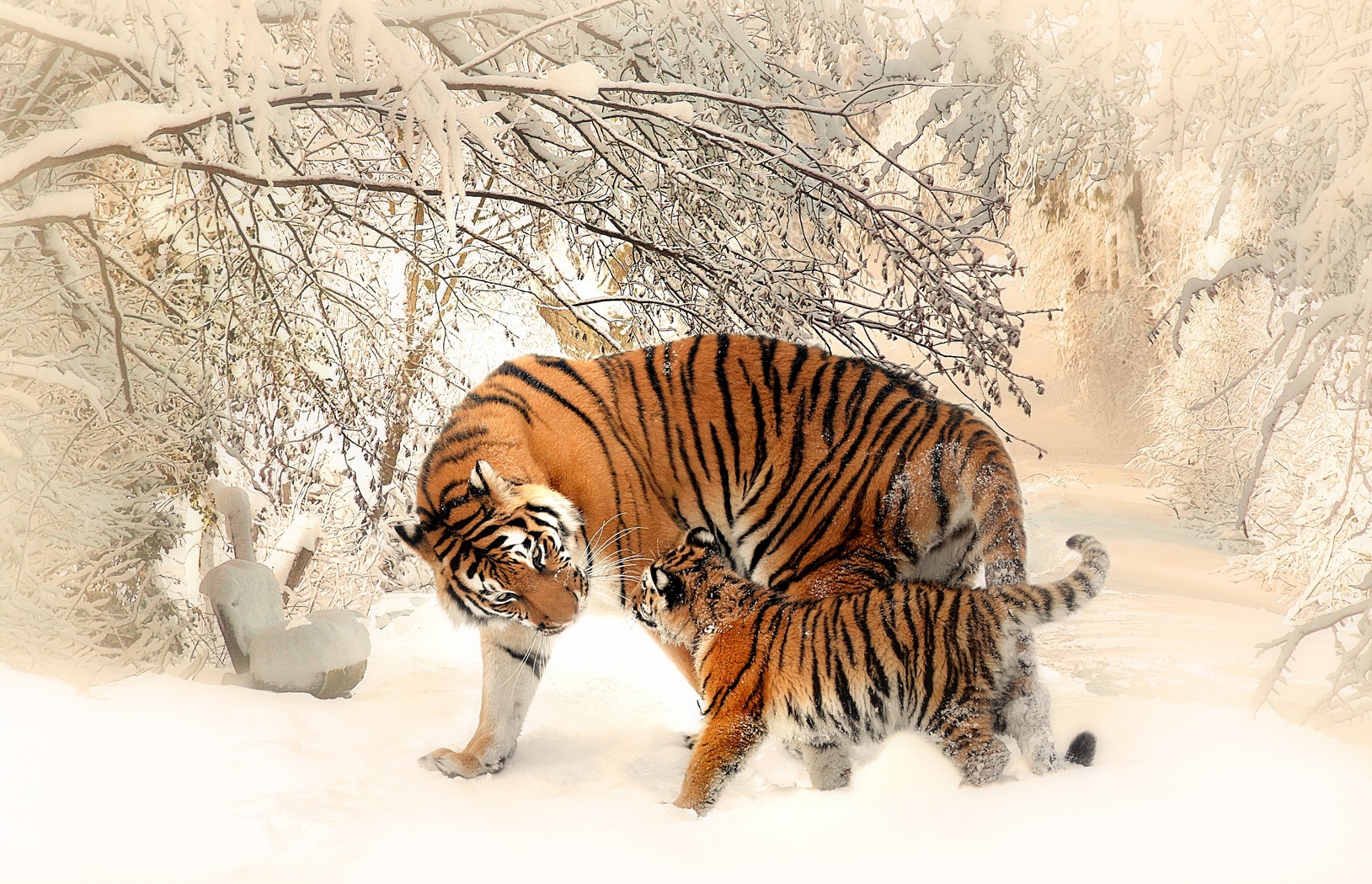
Wild tiger populations have plummeted by roughly 96% over the last century due to poaching, habitat fragmentation, and deforestation. Today, fewer than 4,500 individuals remain in the wild. International conservation programs are actively working to protect remaining habitats and curb illegal trade to help populations stabilize.
Physical Characteristics
- Size: Adult males weigh 90 to 310 kg (200 to 680 lbs), while females weigh 65 to 170 kg (140 to 375 lbs).
- Dimensions: They measure up to 4 meters (13 feet) from nose to tail tip.
- Weaponry: They possess 10 cm retractable claws and 4-inch teeth.
- Stripes: Stripe patterns are completely unique to each individual, like human fingerprints, and remain visible even on their skin.
Behavior and Ecology
- Solitary Lifestyle: Tigers are fiercely territorial and live solitary lives, marking vast boundaries with scent and scratch marks.
- Diet: They are strict carnivores, primarily hunting large mammals like deer, wild boars, and antelopes.
- Aquatic Adaptation: Unlike most domestic and wild cats, tigers are proficient swimmers with webbed toes, often utilizing rivers to cool off or hunt.
- Hunting Strategy: They rely on camouflage and stealth to ambush prey at a standard sprinting speed of 65 km/h.
Major Subspecies
- Bengal Tiger: The most numerous subspecies, making up roughly half of the global wild population, native to the Indian subcontinent.
- Siberian (Amur) Tiger: The largest subspecies, sporting a thicker, paler coat to survive the freezing climates of eastern Russia.
- Sumatran Tiger: The smallest surviving subspecies, heavily adapted to life in dense Indonesian island jungles.
Author

schneiderstephan1961@gmail.com
Related Posts
Hello world!
- 0
- 5
Welcome to WordPress. This is your first post. Edit or delete it, then start writing!

Viking Jupiter ship tour wedding destination
- 0
- 4
Viking Jupiter: A Dream Wedding Destination at Sea Overview The Viking Jupiter is one of the crown jewels of Viking Ocean Cruises...
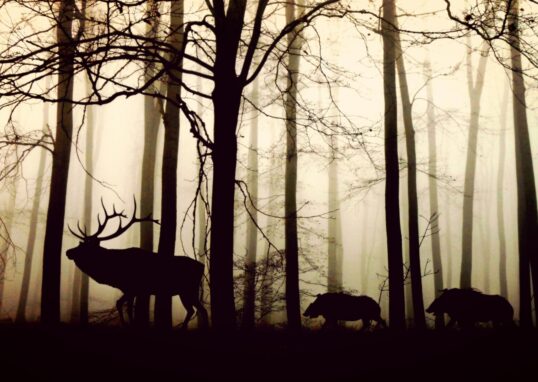
Nature’s Silent Kingdom A Mystical Forest Scene
- 0
- 3
A Mystical Forest Scene This hauntingly beautiful image captures the raw, untamed essence of nature — a misty forest at twilight where...

For young adults, the pub is often a first space for relaxation
- 0
- 5
A group of young friends gathered at a pub, clinking glasses and sharing laughs, is a quintessential symbol of modern social connection...
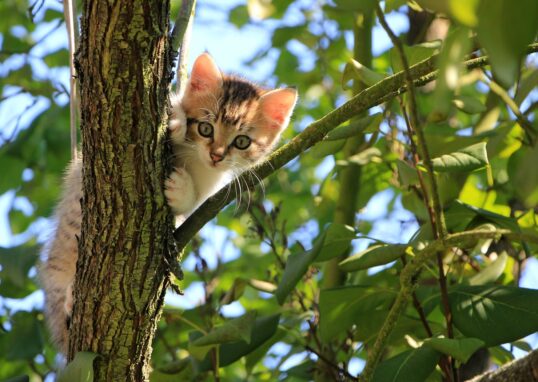
The Cat — Grace, Mystery, and Quiet Majesty
- 0
- 3
The domestic cat (Felis catus) is one of the most successful and beloved animals in human history. With an estimated 600 million...

Babies — The Wonder of New Life
- 0
- 3
A Moment Frozen in Time What a beautiful photograph. Two children lie side by side on a soft white floral blanket —...